Are Starbucks cups harmful?
New research says that paper coffee cups may contain thousands of harmful microplastics. If you prefer to grab your daily cup of coffee on-the-go, a new study recently published in The Journal of Hazardous Materials may convince you to start brewing your own morning cup of Joe from the safety of your own kitchen.Are Starbucks paper cups hot drinks safe?
Drinking hot beverages from paper cups poses health risks, a study has found. In the 15 minutes it takes for (hot) coffee or tea to be consumed the microplastic layer on the cup degrades and releases 25,000 micron-sized particles into the hot beverage."Are paper cups safe to use?
But according to a new study on studyfinds.org, researchers say drinking coffee or other hot beverages from paper cups is dangerous to our bodies. Experts say in the 15 minutes it takes for coffee or tea to be consumed, the microplastic layer in a paper cup degrades.Do Starbucks cups contain BPA?
To-go plastic cups from Starbucks are BPA free, but there is still an inherent risk when using soft plastic polymers. Before microwaving a plastic Starbucks cup, consider transferring your beverage into a glass or ceramic cup.Starbucks looks to phase out disposable cups
Do Starbucks cups have phthalates?
In three cups (canteen, Starbucks, McDonald's) the plasticizer diisodecyl phthalate (DIDP, CAS 26761-40-0) was measured at 0.03 mg/kg, 0.06 mg/kg, and 0.10 mg/kg, respectively.Do Starbucks cups have PFAS?
Starbucks has more than 15,000 U.S. stores and 34,000 stores worldwide and is the second biggest quick-service restaurant chain in the U.S. The company stated: “By the end of this year, we will have eliminated PFAS from all packaging in the U.S. and will eliminate PFAS globally in 2023.”Do paper cups have chemicals?
They found that 25,000 micron-sized microplastic particles are released into 100 mL of hot liquid (85 to 90ºC) residing in the paper cups for 15 minutes. Thus, an average person drinking three regular cups of tea or coffee daily, in a paper cup, would be ingesting 75,000 tiny microplastic particles.What chemicals are in paper cups?
According to Plastics Today, most disposable paper cups are made of around 90 to 95% paper, while an additional 5% is made up of a thin plastic coating of polyethelene, a petroleum-based product. The plastic polyethelene coating is what makes the paper cup waterproof and able to hold liquids in the first place.Do paper cups have BPA?
Paper Cups too have been found to contain trace levels of BPA, but are not reported to be unsafe, and this BPA enters the cup from the plastic sleeves holding them in the racks of your favorite stores.Are paper cups carcinogenic?
25,000 particles of plastic in a cuppa: Drinking tea or coffee from paper cups may raise risk of cancer from swallowing microplastics, experts warn. Drinking coffee or tea from a paper cup is not only wasteful but also puts you at risk of swallowing thousands of microplastics, warn scientists.What are Starbucks cups made of?
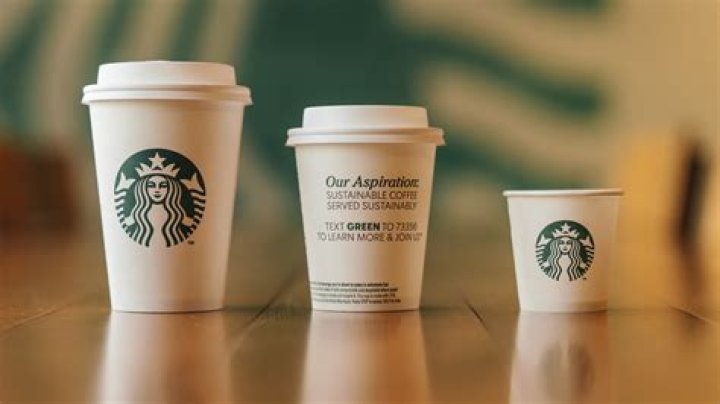
Starbucks cups are actually lined with polyethylene plastic coating that makes it nearly impossible to recycle, experts say. “Paper recycling is designed for recycling paper — not plastic,” Will Lorenzi, president of packaging engineering company Smart Planet Technologies, told Mongabay in an interview.What is the coating on paper cups?
Polyethylene (PE) is a petroleum-based coating on paper cups that can slow down the process of biodegrading of the paper it coats. Polylactic acid (PLA) is a biodegradable bio-plastic coating used on some paper cups.Is Starbucks reusable cups safe?
Customer adoption of reusable cups is one part of Starbucks ongoing commitment to reduce single-use cup waste and goal to reduce waste by 50% by 2030. Beginning June 22, Starbucks is safely reintroducing personal reusable cups across company operated stores in the U.S.Are paper cups lined with plastic?
Not all paper cups are coated in plastic, though the vast majority are. Less frequently, some are actually lined in wax.Does Starbucks have chemicals?
Policy:Adopted a retailer safer chemicals policyStarbucks has no public written safer chemicals policy related to toxic indirect food additives. The company does not have a publicly available beyond restricted substance list (BRSL) or manufacturing restricted substance list (MRSL).