How can you tell if a plant is nitrogen deficient?
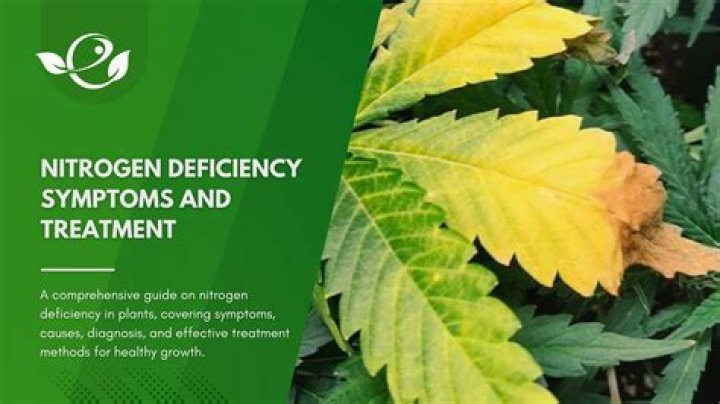
Early signs of nitrogen deficiency start with slight discoloration in maturer leaves: they are lighter than usual. The entire plant looks pale and thin due to insufficient branching. Then, slight nitrogen deficiency changes with more severe symptoms: Larger leaves turn from pale-green to yellow and white.What is the first symptom of nitrogen deficiency?
Symptoms include poor plant growth, and leaves become pale green or yellow because they are unable to make sufficient chlorophyll. Leaves in this state are said to be chlorotic. Lower leaves (older leaves) show symptoms first, since the plant will move nitrogen from older tissues to more important younger ones.How do you fix nitrogen deficiency in plants?
Nitrogen deficiency can be corrected by applying either organic or inorganic fertilisers, but nitrate or ammonium-based fertilisers work the most quickly. Any general-purpose “grow” formula will usually provide enough nitrogen to correct major deficiencies.What is the fastest way to add nitrogen to soil?
The fastest way to add nitrogen to soil is by applying a nitrogen-rich fertilizer. This includes certain all-purpose plant foods with a high portion of nitrogen, as well as fertilizers formulated for green plants (especially lawn fertilizers).Nitrogen Deficiency Symptoms in Plants
What is the best source of nitrogen for plants?
The richest organic sources of nitrogen are manures, ground-up animal parts (blood meal, feather dust, leather dust) and seed meals (soybean meal, cottonseed meal).What are the symptoms of nitrogen and phosphorus deficiency in plants?
Phosphorus DeficiencyPale green leaves and purple or light brown on the edges or tip. Young leaves change to dark green and blue especially if they contain high levels of nitrogen. Decreased growth, the plants stay small. Plants are slow to mature, remain green.
Does lack of nitrogen cause yellow leaves?
To review, plants suffering from nitrogen deficiency tend to be pale yellow-green in color and have slow or stunted growth. Yellowing from lack of nitrogen starts at the older leaves and moves on to newer leaves as the deficiency continues with yellowing patterns varying by crop.What causes leaves to yellow on plants?
Poor drainage or improper wateringWater issues — either too much or too little — are the leading reason behind yellow leaves. In overly wet soil, roots can't breathe. They suffocate, shut down and stop delivering the water and nutrients plants need. Underwatering, or drought, has a similar effect.
Will nitrogen-deficient leaves turn green again?
After fertilization, Nitrogen-deficient plants absorb N as soon as it is available and start to change from pale to a healthy-looking Kelly green. Deficient plants usually recover in about a week, but the most-affected leaves do not recover.Can too much nitrogen cause yellow leaves?
Excess nitrogen will kill your plant.Plants tend to be able to tolerate higher amounts of (NO3-) or nitrate than NH4+ (ammonium). However, it can still reach toxic levels. Its main effect is to cause iron deficiency in plant leaves. The leaf will turn yellow while the veins remain green.
How do you add nitrogen to plants?
Here are some options to try if you need to add nitrogen to the soil in your garden beds.
- Add Composted Manure.
- Use a Green Manure Crop.
- Plant Nitrogen-Fixing Plants.
- Mix Coffee Grounds in the Soil.
- Use Fish Emulsion.
- Spread Grass Clippings As Mulch.
- Use an Actual Plant Fertilizer.
Can yellow leaves turn green again?
Chlorophyll gives a leaf its green color. When the leaf loses its chlorophyll, the plant abandons it and begins to absorb leftover nutrients from the leaf. That's why once the leaf turns yellow, you generally can't make it turn back green again.Why do leaves turn yellow and fall off?
Watering issues are generally the most common cause of yellowing leaves. When your plants are overwatered, the performance and vigor decrease. Oxygen is being pushed out of the soil, and the roots are simply “under aired” and suffocating. With little air, the roots will begin to drown and rot.Why are my plant leaves turning yellow with brown spots?
The most common reason for yellowing or browning of leaves is over or under-watering. It is vital to provide enough time for the soil to dry between waterings. If you have not watered your plant for a long time and soil feels too dry, give your plant a good drink.What do light green leaves mean?
Nutrient IssuesToo much or too little fertilizer can drastically affect a plant. A nitrogen deficiency can also cause leaves to turn light green.
How can you tell if your soil has too much nitrogen?
When you have too much nitrogen in soil, your plants may look lush and green, but their ability to fruit and flower will be greatly reduced. While you can take steps towards reducing nitrogen in garden soil, it's best to avoid adding too much nitrogen to the soil in the first place.What are the symptoms of a plant lacks potassium?
Potassium-deficient plants are easily distinguished by their tendency to wilt on dry, sunny days. The overall appearance of the plant is wilted or drooping. Deficient plants will have a stocky appearance with short internodes. Younger leaves' growth is inhibited, and they have small leaf blades.What nutrient deficiency causes brown leaves?
Potassium deficiency in plantsThe most common symptoms of a potassium deficiency are brown or burnt-looking leaf edges and tips, coupled with chlorosis between leaf veins. You may also see purple spots on the underside of your leaves.