What is the difference between reactive policing and proactive policing?
Police responses to 911 calls or calls about loose animals in the neighborhood are a few examples of reactive police work. Simply put, proactive policing is police action that occurs before a crime is committed; reactive policing is activity that occurs after a crime has occurred.Which of the following best describes the difference between proactive and reactive patrol?
Which of the following BEST describes the difference between proactive and reactive policing? Proactive policing is a citizen initiated approach to crime control. Reactive policing is an officer or agency initiated approach.What does proactive patrol mean?
Proactive policing is the practice of deterring criminal activity by showing police presence.What is the difference between reactive and proactive policing quizlet?
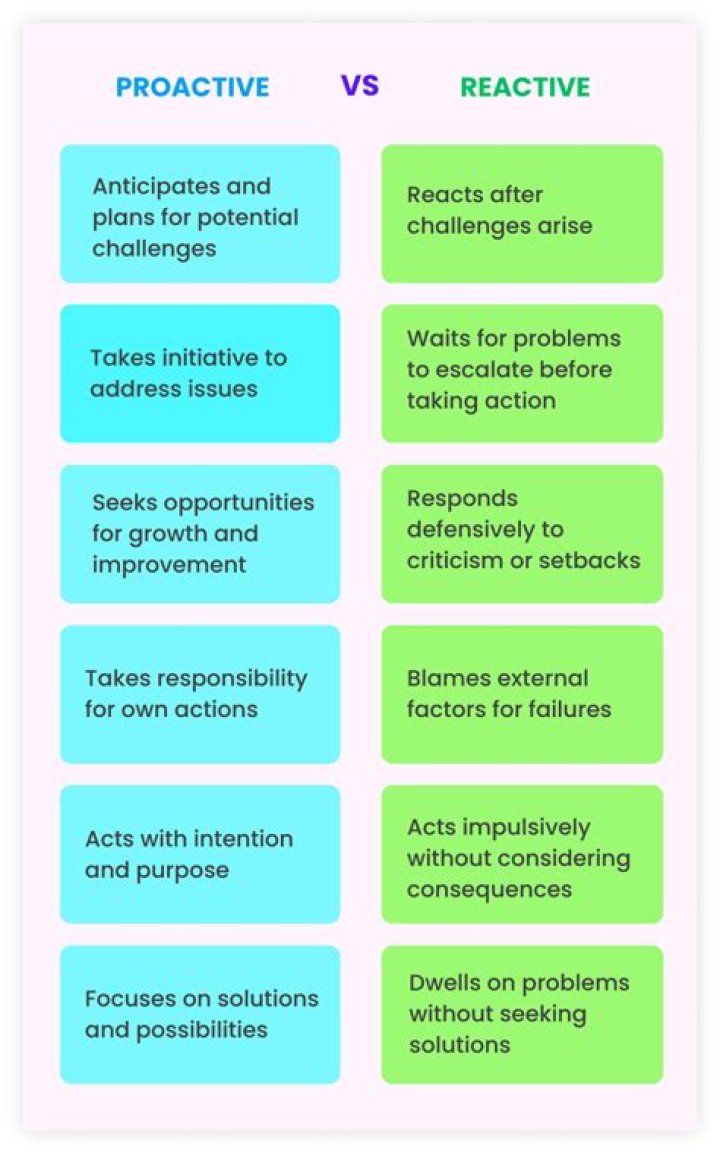
Proactive policing- anticipating problems and acting in advance to address local concerns. EXAMPLE: prevent problems from getting worse, reduce criminal opportunity. Reactive policing- Responding to criminal activity and problems after they have taken place.What is Proactive Policing?
What is the difference between reactive and proactive investigations?
The Structure Of Criminal InvestigationsCriminal investigations can be either reactive, where the police respond to a crime that has already occurred, or proactive, where the investigation may go on before and during the commission of the offense.
Which is the most effective method of patrol foot patrol bicycle patrol one officer patrol vehicle two officer patrol vehicle or some other method?
What is the most effective and productive method of patrol? One-officer patrol: Having twice as many patrol vehicles on the street doubles preventive enforcement. When the officer is alone, more attention is devoted to patrol functions and duties.What is reactive patrol?
The standard model of policing was primarily a reactive model. Its focus on follow-up enforcement, rapid responses to citizen calls to the police, and investigation of crime and apprehension of criminals are directly responsive to the commission of a crime or citizen notification of crimes occurring.What are examples of proactive policing?
Proactive policing is the act of law enforcement preventing a crime before it takes place. An example of proactive policing is someone being stopped and searched by the police. The proactive policing efforts were meant to crack down on people driving with suspended licenses.What are the benefits of reactive policing?
- No EXTRA Expenses.
- Money Can Be Used For More Advanced Training For Officers.
- Officer Availability- Respond To Calls Faster.
- Presence Of Uniformed Officers And Marked Vehicles.
- 9-1-1 and Non-Emergency Lines Being Reliable.
What is reactive and proactive?
The definition of reactive and proactive is as follows: Reactive : Reacting to the past rather than anticipating the future. Proactive: Acting before a situation becomes a source of confrontation or crisis.What is reactive policing and examples?
Reactive policing, on the other hand, involves reacting to something that has already happened. For example, if the police go to someone's house after they have called 911 and stated that a robbery is taking place, then they are reacting to a crime that has already taken place.What are proactive policing strategies?
This report uses the term “proactive policing” to refer to all policing strategies that have as one of their goals the prevention or reduction of crime and disorder and that are not reactive in terms of focusing primarily on uncovering ongoing crime or on investigating or responding to crimes once they have occurred.What are the three different styles of policing?
Wilson discovered three distinctive styles of policing: the legalistic, the watchman, and the service styles. Police agencies with a legalistic orientation focused strictly on law enforcement activities, whereas those with a service style focused on providing needed services to residents and business owners.What are the disadvantages of proactive policing?
Pros and ConsHowever, proactive policing is also criticized by some for being too aggressive. Critics charge that it is nothing more than racial profiling masquerading as crime prevention, such as New York City's infamous Stop-and-Frisk program, resulting in arrests without probable cause.